By Wendy McPhail, CNC, FDN-P, NBCCT, A-CFHC
Certified Functional Nutritionist & Founder, Nethersprings
You’ve probably lived through this before. A friend swears off gluten and tells you to try it too. Social media pushes intermittent fasting. Then a new diet promises more energy, better digestion, and weight loss that finally sticks. You try it, stay consistent a few weeks, maybe notice something shift. Then old symptoms creep back, or new ones show up, and you’re stuck wondering why.
Nutrition just isn’t built to work the same for everyone. A 2025 CDC report found that about 55% of Americans’ daily calories come from ultra-processed food, a sign that convenience often drives eating more than actual health needs do.
This blog gets into why personalized coaching tends to hold up better than generic diets, and what the process really looks like.
Why Generic Diet Plans Often Fall Short
Most popular diets are built to appeal to as many people as possible. That makes them easy to market, but not necessarily effective for every individual. Before jumping into another meal plan, it helps to understand why a generic approach doesn’t always deliver lasting results.
They Assume Everyone Has the Same Nutritional Needs
Spend five minutes reading comments under any popular diet video, and you’ll see the same pattern. One person says it changed their life. Someone else says it didn’t make a difference at all.
- Two people can buy the same groceries, cook the same dinners, and follow the same eating plan, yet come away with completely different experiences.
- Maybe one starts waking up with more energy, while the other is still dealing with bloating after every meal.
- That’s because your response to food is shaped by more than what’s on your plate. Sleep, stress, medications, past illnesses, digestion, and years of eating habits all become part of the picture.
- What works well for your neighbor, coworker, or favorite wellness influencer may not be the right fit for your body.
- No two people have the same health history, which is why our bodies rarely respond to food in exactly the same way.
People also search
colonic near me
personalized nutrition coaching
They Focus on Rules Instead of Root Causes
A lot of popular diets are built around restriction. Avoid carbohydrates. Count calories. Cut out certain food groups. Eat only during specific hours.
These strategies might help some people hit short-term goals, but they rarely explain why the symptoms showed up in the first place.
For example, someone dealing with bloating might cut out dairy right away because they read about it online. Someone else might avoid gluten because a family member suggested it. Sometimes these changes actually help, but sometimes they just swap one frustration for another.
Without looking at the bigger picture, it’s easy to end up chasing symptoms instead of figuring out what’s actually contributing to them.
That’s part of why so many people bounce from one diet trend to the next, hoping the next plan will finally give them the answers they haven’t found yet.
What Is Personalized Nutrition Coaching?

Personalized nutrition is about far more than deciding what belongs on your plate. The food on your plate is only part of the picture. One of the first things I want to understand isn’t what you’re eating. It’s what life looks like outside the kitchen. Are you skipping breakfast because mornings are hectic? Are you eating late because of work? Have you already tried three different diets without success? Those answers often tell me as much as a food diary.
Looking Beyond Food Choices
Food matters, but it isn’t the only thing shaping how you feel.
A practitioner offering nutrition coaching may also look at:
- Your current symptoms
- Sleep quality
- Daily stress levels
- Physical activity
- Digestive health
- Previous medical history
- Medications and supplements
- Eating habits and routines
Looking at all these areas together usually gives a clearer picture of what might be influencing your overall well-being.
For instance, someone who skips meals because of a packed work schedule may have very different nutritional needs than someone managing chronic stress or recovering from a long stretch of digestive issues.
Rather than making assumptions, personalized coaching starts by gathering information that helps shape recommendations around the individual.
Every Recommendation Has a Purpose
It’s easy to assume nutrition coaching is all about being told what to eat. In reality, the conversation often starts somewhere completely different.
We might talk about why breakfast gets skipped most mornings, whether work leaves you grabbing dinner late at night, or which diets you’ve already tried over the years. Those details matter because they help explain why one approach may have felt impossible to stick with while another has a better chance of becoming part of your routine.
Food is only one piece of the picture. Your health history, daily schedule, stress levels, and past experiences all provide context that a standard meal plan simply can’t capture.
The recommendations aren’t designed to make life more complicated. They’re meant to be realistic enough that you can continue following them long after the first week.
What Goes Into a Personalized Nutrition Plan
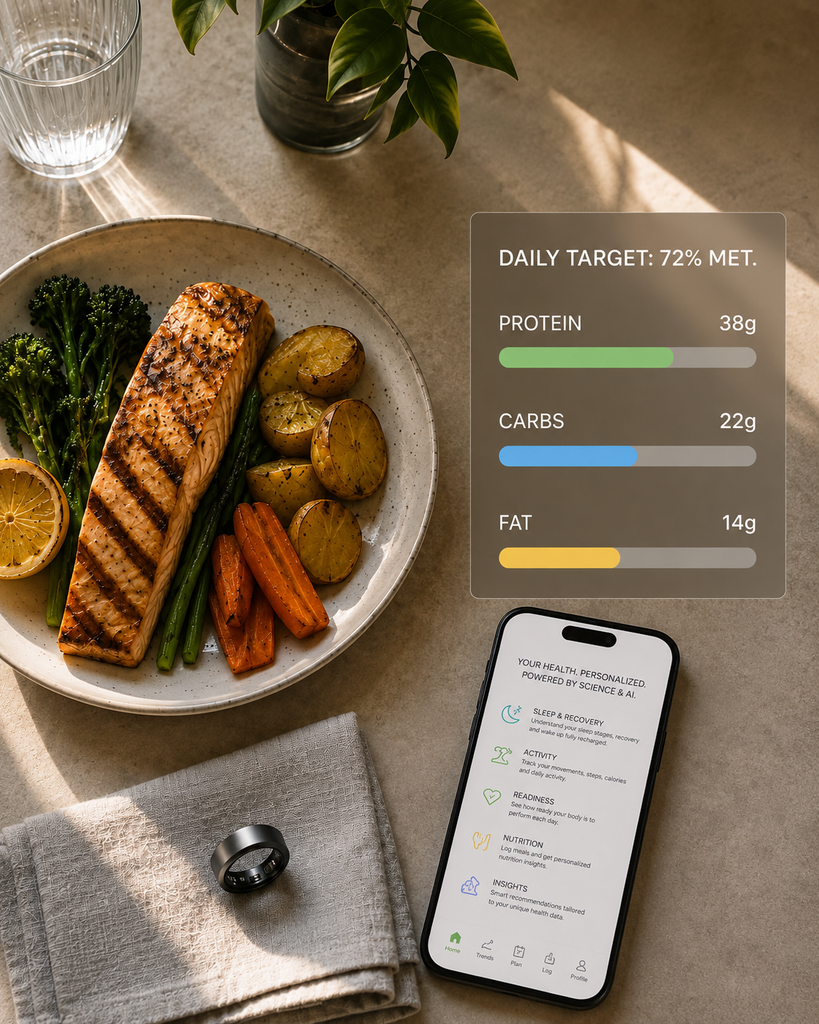
No two people share the same health story. That’s why a personalized nutrition plan starts with understanding the individual before jumping to recommendations. The goal isn’t a perfect diet overnight. It’s identifying the factors that may be influencing your health and mapping out practical steps that fit your lifestyle.
Understanding Your Health Story
When you sit down with a practitioner, the conversation usually goes well beyond what you typically eat in a day.
Questions may include:
- Have you taken multiple courses of antibiotics over the years?
- Have you had surgery that affected your digestion?
- When did your symptoms first start?
- Has stress changed your eating habits?
- Are there foods you avoid because they make you feel worse?
Each answer adds another piece to the puzzle.
Medical history, past illnesses, medications, family history, and even major life events can all shape your nutritional needs. Looking at these details together helps build recommendations based on your actual circumstances rather than guesswork.
This is part of why a health nutritionist spends time getting to know the person before diving into meal plans or dietary changes.
Connecting Symptoms Instead of Treating Them Separately
It’s tempting to think of symptoms as separate, isolated problems. Fatigue seems unrelated to bloating. Skin concerns seem separate from digestion. Recurring headaches seem to have nothing to do with what you eat.
Someone dealing with digestive discomfort may also notice low energy throughout the day. Someone else struggling with food sensitivities may also deal with skin irritation or trouble concentrating.
Rather than treating each symptom on its own, functional nutrition looks at how they might connect.
That doesn’t mean every symptom shares the same cause. It just means the full picture often gives more useful information than addressing one complaint at a time.
Making Gradual Changes That Are Easier to Maintain
One of the biggest reasons diets fail is that they ask people to overhaul everything at once. Completely different meals. Strict food rules. Long lists of foods to avoid. For a week or two, that can feel manageable. Over time, it usually becomes hard to keep up.
Personalized nutrition takes a different route. Instead of dramatic overnight changes, recommendations get introduced gradually. One habit gets reinforced before another gets added. That gives people time to adjust while learning what actually works for their bodies.
Small, consistent improvements tend to be far easier to stick with than an all-or-nothing approach.
Generic Diet Plans vs Personalized Nutrition Coaching
Looking at the differences between these two approaches makes it easier to see why personalized care tends to produce more sustainable results.
| Feature | Generic Diet Plans | Personalized Nutrition Coaching |
| Approach | Same recommendations for everyone | Customized to the individual |
| Health Assessment | Minimal | Comprehensive health history |
| Focus | Weight loss or calorie restriction | Overall wellness and root causes |
| Flexibility | Fixed meal plans | Adjusted as needs change |
| Long-Term Support | Limited | Ongoing guidance and education |
A generic diet answers the question, “What should I eat?” A personalized plan takes it a step further and asks, “Why might these symptoms be happening, and what changes actually make sense for this individual?”
That difference tends to shape the entire experience.
What Nutrition Coaching at Nethersprings Looks Like
Every person’s health journey is different, so the coaching process starts with understanding where they are today. Rather than leaning on standard meal plans, Nethersprings focuses on building recommendations around each individual’s lifestyle, goals, and health history.
A Thorough Health Review
The first step is listening. Your consultation covers current symptoms, medical history, medications, stress levels, daily routines, sleep patterns, digestion, and eating habits. These conversations help paint a clearer picture of what may be influencing your overall health.
Personalized Recommendations
By the time your consultation ends, the goal isn’t to hand you a strict list of foods to eat or avoid. It’s to understand what’s most likely to help based on everything you’ve shared.
For one person, the first step may be improving meal timing. For someone else, it could be addressing eating habits that have developed over years of stress or busy schedules. The recommendations are shaped around where you’re starting, not where someone else is.
Wendy’s approach has always been to look at the whole picture. Symptoms rarely exist on their own, so it makes sense to consider your health history, lifestyle, and daily routine before deciding what changes are worth making.
For some clients, nutrition guidance may also complement services like Colon Hydrotherapy or Ozone Sauna Therapy when they form part of a broader wellness plan.
Progress Is Reviewed Along the Way
Health isn’t static, and your nutrition plan shouldn’t be either. As your needs shift, recommendations can shift too. Some habits get easier with time. New goals may come up. Certain strategies may get adjusted based on your progress and overall wellness. This ongoing process helps keep the plan practical and sustainable instead of rigid or restrictive.
Benefits Of Personalized Nutrition Coaching
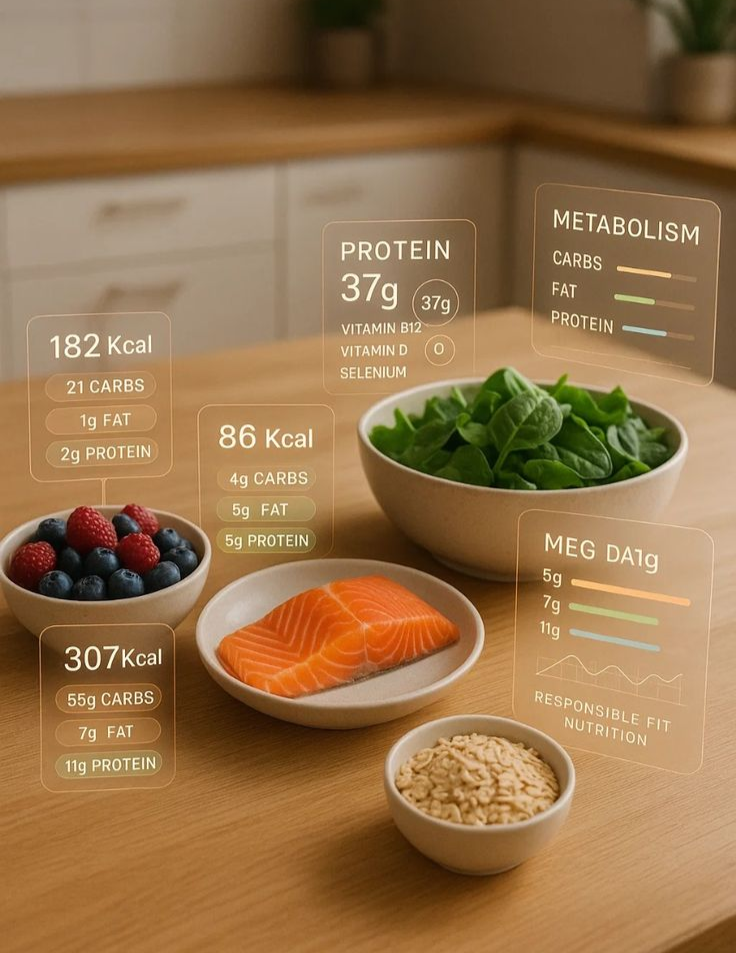
Everyone’s goals look different, but personalized coaching may benefit people looking for guidance that reflects their unique health history and lifestyle.
You may benefit from nutrition and wellness coaching if you’re dealing with:
- Ongoing digestive discomfort
- Persistent fatigue
- Food sensitivities
- Difficulty maintaining healthy eating habits
- Skin concerns
- Feeling overwhelmed by conflicting nutrition advice
- A search for long-term wellness support with a personalized approach
Any Sustainable Change Takes Time
It’s natural to want quick answers, especially after dealing with frustrating symptoms for months or even years. Lasting change, though, rarely happens overnight. Healthy habits get built one step at a time.
Learning how your body responds to different foods takes patience. Adjusting routines takes consistency. Finding an approach that fits your lifestyle often comes down to small changes that get easier to maintain over time.
That’s part of why nutrition coaching focuses on progress instead of perfection. Instead of chasing another short-term diet trend, the goal is building realistic habits that keep supporting your health long after the excitement of a new plan wears off.
Conclusion
Generic diet plans often promise simple answers to complicated health concerns. They may work for some people, but they rarely account for the individual behind the symptoms. Health history, digestion, stress, lifestyle, and daily habits all shape how your body responds to food.
A personalized approach accounts for those differences. Rather than asking everyone to follow the same set of rules, nutrition coaching focuses on understanding the root causes behind your concerns and building recommendations that fit your specific needs.
At Nethersprings, the goal isn’t to get you onto another diet. It’s helping you understand your body better, make informed choices, and build healthy habits that support wellness for the long run. Nethersprings provides nutrition coaching exclusively through remote consultations. We make personalized guidance accessible from any location.
Frequently Asked Questions
What is personalized nutrition coaching?
Personalized nutrition coaching is an individualized approach that factors in your health history, lifestyle, symptoms, and wellness goals before making nutrition recommendations. Rather than following a standard meal plan, guidance is shaped around your specific needs.
How is nutrition coaching different from following an online diet?
Online diets are built for a broad audience and tend to rely on general recommendations. Personalized coaching takes your individual circumstances into account, making adjustments that better reflect your health history and daily routine.
Who can benefit from nutrition coaching?
People dealing with digestive discomfort, food sensitivities, low energy, difficulty maintaining healthy eating habits, or anyone looking for a more individualized approach to wellness may benefit from personalized nutrition guidance.
How long does it take to notice changes?
The timeline differs from person to person. Health history, consistency, lifestyle habits, and individual goals all play a role in progress. Sustainable improvements tend to build up gradually over time.
Can nutrition coaching be combined with other wellness services?
Yes. Depending on your wellness goals, nutrition coaching may be paired with complementary services such as Colon Hydrotherapy and Ozone Sauna Therapy as part of a personalized wellness plan.
About the Author
Nethersprings Team
Wendy McPhail, CNC, FDN-P, NBCCT, A-CFHC, founded Nethersprings after recovering from four autoimmune disorders and breast cancer through functional nutrition, colon hydrotherapy, and ozone therapy after more than two decades in the conventional medical system that left her without answers. With over 18 years of clinical experience, she works with clients remotely now, helping them investigate and address the root causes of chronic digestive dysfunction, fatigue, skin conditions, and systemic inflammation. Nethersprings is only available for remote consultation from Monday through Friday, 9 AM to 6 PM, and Saturday, 9 AM to noon. Call (951) 740-4444 or visit nethersprings.com to make an appointment.
This information is not medical advice and is not intended to replace the advice or attention of health care professionals. Consult your health care practitioner before beginning or making changes to your diet or exercise program, or for diagnosis or treatment of illness.


